
The Dying as Outsiders
What Are You Going ThroughThis thematic thread traces how terminal illness separates people from ordinary social time and invites others to speak over the person who is dying.
increasing Bearing strength in each event
 decreasing
Bearing strength in each eventdecreasingA Separate Time
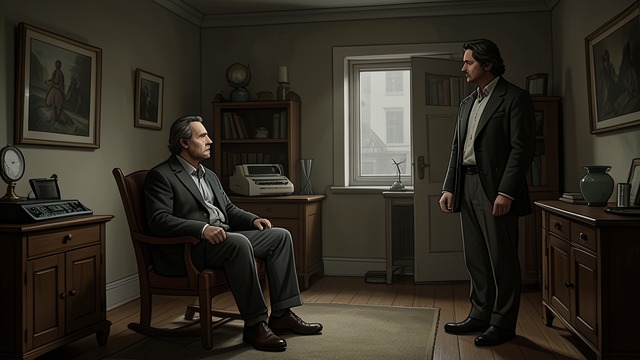
A Separate Time
Two experiences diverge
The narrator and friend share a house, but the friend faces death while the narrator faces the responsibility of accompanying her. Their experiences cannot be made identical by proximity.
The dying as other
The narrator describes dying as an isolating human condition. The friend’s plans and silences mark a transition away from the everyday world still inhabited by those around her.
Time Without a Schedule
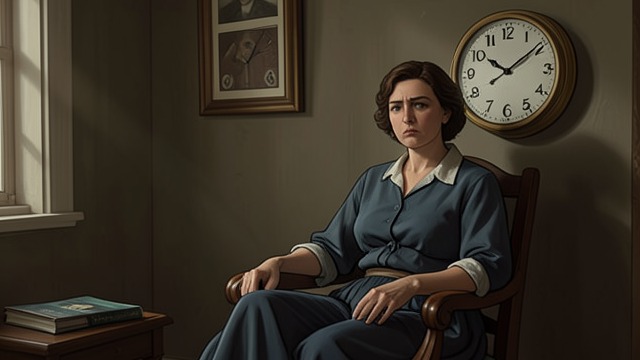
Time Without a Schedule
Waiting expands
The friend knows she is dying but sometimes feels as if she has all the time in the world. She is even bored and occasionally wishes the hours would pass faster.
Ordinary time persists
The narrator cannot know when the friend will act or how her body will change. Planning, waiting, and uncertainty occupy the same days.
A Podcast of Expected Answers

A Podcast of Expected Answers
People describe dying
The narrator listens to interviews with terminally ill people who speak about fear, modest wishes, family, and the past. Many hope for another holiday or a little more time.
Appropriate speech questioned
She wonders whether people say what listeners expect rather than what they truly think. Dying becomes another role, and the prospect of being alone in that role troubles her.
Family Cannot Be Assumed
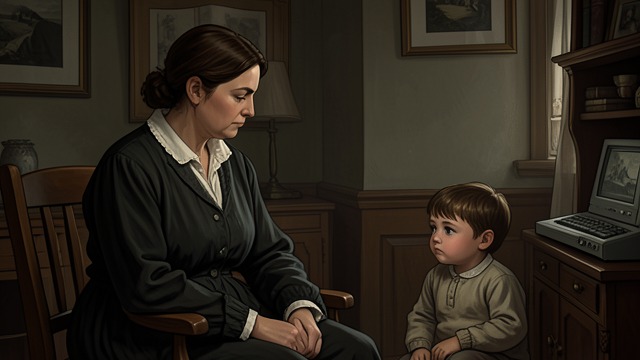
Family Cannot Be Assumed
The expected helper rejected
The friend says she cannot ask her daughter to be present. Their history would make the task too painful, and the daughter would be placed in an impossible position.
No universal comfort
The story resists the assumption that family is necessarily the right refuge. A person may need companionship while remaining unable or unwilling to turn toward relatives.
Memory After the Vigil
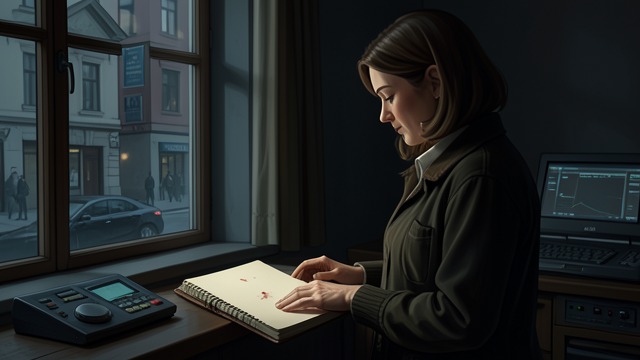
Memory After the Vigil
The past turns dreamlike
The narrator fears that powerful experiences will later resemble dreams, seeming as if they did not truly happen. Memory both preserves and distorts the time she spent with her friend.
A witness left behind
The narrator cannot make the friend’s solitary death into a shared experience. Her writing records the limits of companionship as well as its importance.
After the women arrive at the rental house
During the friend’s stay in the rental house
After the narrator listens to the terminal-illness podcast
During the friend’s end-of-life request
In the narrator’s closing pages
